 423-842-5575
Imagine your air conditioner failing during the peak of a Chattanooga summer. The heat is rising, the humidity is unbearable, and suddenly you are faced with replacing your entire AC system. Many homeowners are caught off guard by installation quotes because they do not always know what goes into the total cost.
The truth is that AC installation pricing is not just about the equipment itself. System size, ductwork condition, labor requirements, and energy-efficiency levels can all have a major impact on the final price.
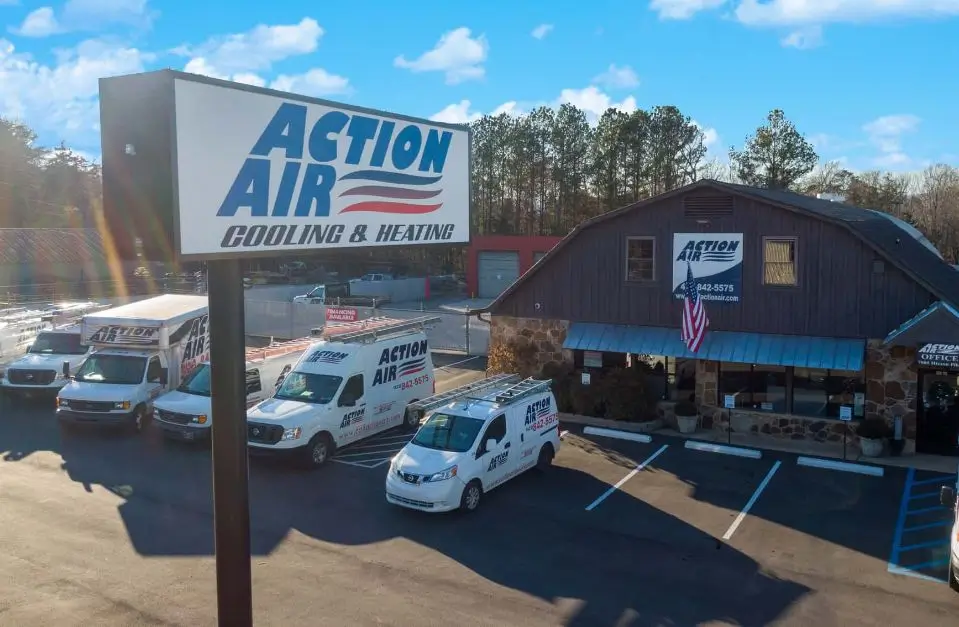
At Action Air, we have helped homeowners across Chattanooga make informed, cost-conscious decisions about their cooling systems. As a family-owned company serving the greater Chattanooga area since 1989, we believe in honest guidance, clear communication, and helping you choose the right AC solution for your home, comfort needs, and budget.
What Impacts the Cost of AC Installation in Chattanooga?
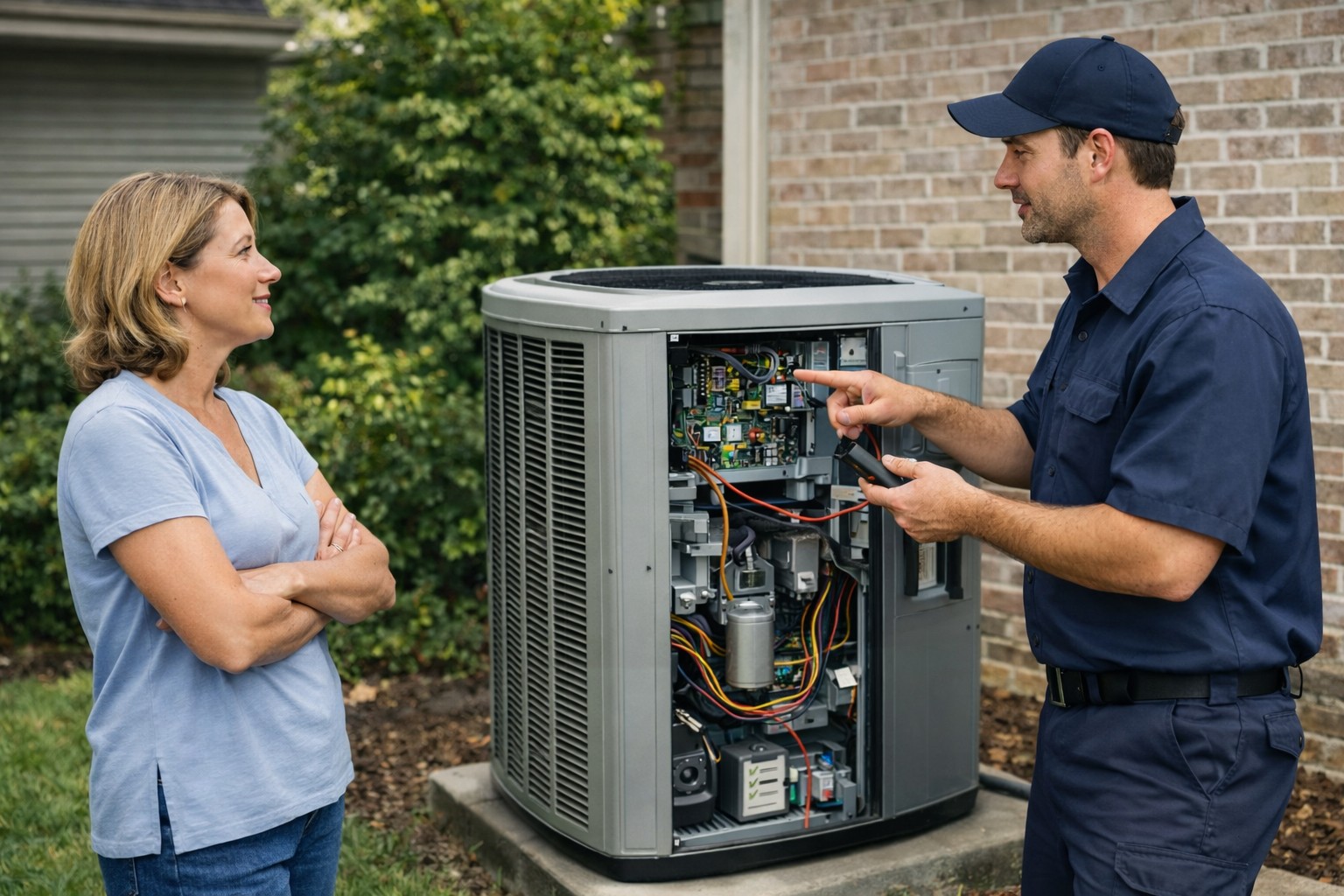
Several key factors can influence the total price of installing a new air conditioning system. In many cases, homeowners can expect a new AC installation to fall somewhere between about $5,000 and $12,500, though higher-end systems or projects involving ductwork, electrical upgrades, or more complex installation needs can cost more. The final price often depends on your home’s size, the type of equipment selected, and whether additional upgrades are needed, so understanding these variables can help you compare estimates with more confidence.
System Size and Cooling Capacity
One of the biggest factors affecting AC installation cost is system size, which is usually measured in tons of cooling capacity. If a system is too small, it may struggle to keep your home comfortable during Chattanooga’s hot, humid summers. That can lead to longer run times, added wear on the equipment, and higher energy use.
An oversized system can create problems too. It may cool the home too quickly, causing short cycling that wastes energy and can reduce indoor comfort. A properly sized system depends on factors such as square footage, insulation, window placement, ceiling height, and local climate conditions.
That is why a professional load calculation matters. Proper sizing helps support reliable comfort, better efficiency, and lower long-term operating costs.
Type of Air Conditioning System
The kind of system you install also plays a major role in the total price. Different systems require different equipment, labor, and installation methods. Common options include central air conditioning systems for whole-home cooling, heat pump systems that provide both heating and cooling, ductless mini-split systems for homes without existing ductwork or for zoned comfort, and high-efficiency variable-speed systems designed to improve comfort and reduce energy use. Higher-efficiency systems often come with a higher upfront investment, but many homeowners find that the long-term energy savings help offset that initial cost over time.
Ductwork Condition or Modifications
Your ductwork can significantly affect the cost of a new AC installation. If the existing duct system is leaking, damaged, poorly designed, or improperly sized, it may need to be repaired or modified before the new system can perform as intended. In some homes, HVAC professionals may need to seal duct leaks, replace worn or damaged sections, add ductwork for remodeled areas or additions, and improve airflow balance throughout the home. When ductwork problems are left unaddressed, your new AC system may have to work harder than necessary, which can reduce efficiency, increase utility costs, and make it harder to maintain even indoor temperatures.
Installation Labor and Complexity
Labor is another major part of AC installation pricing. The total labor cost often depends on how complex the job is and how easy the work areas are to access. For example, installation may involve removing and disposing of the old equipment, installing or updating electrical connections, mounting indoor and outdoor components, running refrigerant lines, and testing and calibrating the system. Homes with limited access to attics, crawl spaces, or mechanical areas may require more time and labor, and older Chattanooga homes may also need additional updates to support newer high-efficiency equipment. Professional installation is essential because even quality equipment can underperform if it is not installed correctly.
Energy Efficiency Ratings (SEER)
Air conditioners are rated using SEER, which stands for Seasonal Energy Efficiency Ratio. This rating reflects how efficiently the system performs over a typical cooling season. In general, lower-SEER systems usually have a lower upfront cost, mid-range systems balance installation cost and efficiency, and higher-SEER systems cost more initially but may reduce monthly utility bills. Because Chattanooga summers can be long and humid, many homeowners benefit from investing in a system with stronger efficiency and moisture-control performance. The right choice depends on your home, your budget, and how long you plan to stay in the property. A professional consultation can help you compare options and choose a system that makes sense for both your comfort and your long-term costs.
Typical AC Installation Cost Components
While every home is different, most AC installation estimates include several major cost categories. Knowing what is included can make it easier to understand your quote and plan your budget. Breaking these costs down can also help you compare proposals more clearly and feel more confident about the investment you are making in your home’s comfort.
- Equipment
The equipment itself usually makes up a large portion of the overall cost. This includes the outdoor condenser unit, the indoor evaporator coil, the air handler or furnace connection, and other refrigerant-related components that allow the system to operate properly. The brand, system type, and efficiency level you choose can all influence this portion of the price.
- Installation Materials
In addition to the main equipment, several supporting materials are needed to complete the installation properly. These often include refrigerant lines, condensate drain lines, electrical wiring, mounting hardware, and thermostat components that help the system run safely and efficiently. While these materials may not be the most visible part of the installation, they play an important role in the overall performance and dependability of the system.
- Labor
Professional labor covers the work needed to remove the old system, prepare the installation area, connect the new components, and test the system for proper operation.
This step matters more than many homeowners realize. A quality installation helps support better efficiency, more consistent comfort, and fewer issues down the road.
- Permits and Inspections
Depending on the scope of the job and local requirements, permits and inspections may be part of the total installation cost. These help ensure the system meets building and safety standards related to electrical work, refrigerant handling, and overall system performance.
Permit requirements can vary, but they are an important part of protecting homeowners and making sure the job is completed correctly.
What to Do Before Installing a New AC System
Before moving forward with a new AC installation, homeowners should take a few important steps to improve long-term results. Planning ahead can help you avoid unexpected costs and make sure the new system is set up for reliable performance.
Step-by-Step Checklist
- Schedule a professional home evaluation to determine proper system sizing
- Compare energy-efficiency ratings and long-term operating costs
- Have existing ductwork inspected for leaks or airflow issues
- Consider whether a smart thermostat would improve efficiency and control
- Ask about equipment warranties and maintenance options
If your current AC is struggling to keep up with summer temperatures, waiting too long could lead to higher energy bills or an unexpected breakdown.
How Regular Maintenance Can Help Prevent Expensive Repairs
Once a new air conditioning system is installed, routine maintenance becomes one of the best ways to protect your investment. Regular service helps keep the system running efficiently, reduces wear on important components, and allows technicians to catch smaller issues before they become more expensive repairs. Seasonal AC tune-ups can also support better energy efficiency, extend the lifespan of the system, help meet manufacturer warranty requirements, and improve indoor air quality. Regular inspections are especially important during Chattanooga’s humid summer season, when air conditioning systems often work the hardest.
Why Chattanooga’s Humidity Matters for Your AC System
Chattanooga’s humidity can put additional strain on air conditioning systems. Your AC does not just cool the air. It also helps remove excess moisture from your home.
When a system is oversized, it may cool the home too quickly without running long enough to manage humidity effectively. That can leave your home feeling damp or clammy, even if the temperature looks correct on the thermostat.
Proper system sizing and professional installation help your AC handle both temperature control and moisture removal more effectively, which is especially important during peak summer conditions.
FAQs About AC Installation in Chattanooga
Question: How much does AC installation cost in Chattanooga?
Answer: AC installation costs in Chattanooga typically range from about $5,000 to $12,500, depending on system size, efficiency rating, ductwork condition, and installation complexity. The best way to get an accurate estimate is to schedule a professional home evaluation.
Question: How long does AC installation take?
Answer: Most residential AC installations can be completed within one day. However, installations that require ductwork upgrades or additional modifications may take longer.
Question: Should I repair or replace my AC system?
Answer: If your air conditioner is more than 10–15 years old, requires frequent repairs, or causes rising energy bills, replacement may be the most cost-effective option. A professional inspection can help determine whether repair or replacement is the better investment.
Question: What size AC system do I need?
Answer: The correct system size depends on your home’s square footage, insulation, windows, and climate. An HVAC professional can perform a load calculation to ensure the system is properly sized for efficient cooling.
Question: How often should AC systems be serviced?
Answer: Air conditioning systems should be professionally serviced at least once per year. Annual maintenance helps improve efficiency, extend system lifespan, and prevent unexpected breakdowns.
Get Trusted Help With AC Installation in Chattanooga
If you still have questions about AC installation costs, Action Air is here to help. We believe in honest pricing, dependable workmanship, and making the process as simple and stress-free as possible for Chattanooga homeowners.
Whether you are replacing an aging system or planning ahead before summer arrives, our team can help you understand your options and choose a solution that fits your home and budget. When you think indoor comfort, think Action Air. Contact our team today to schedule your consultation.
Still have questions about AC installation? Contact Action Air today to schedule a professional consultation.